
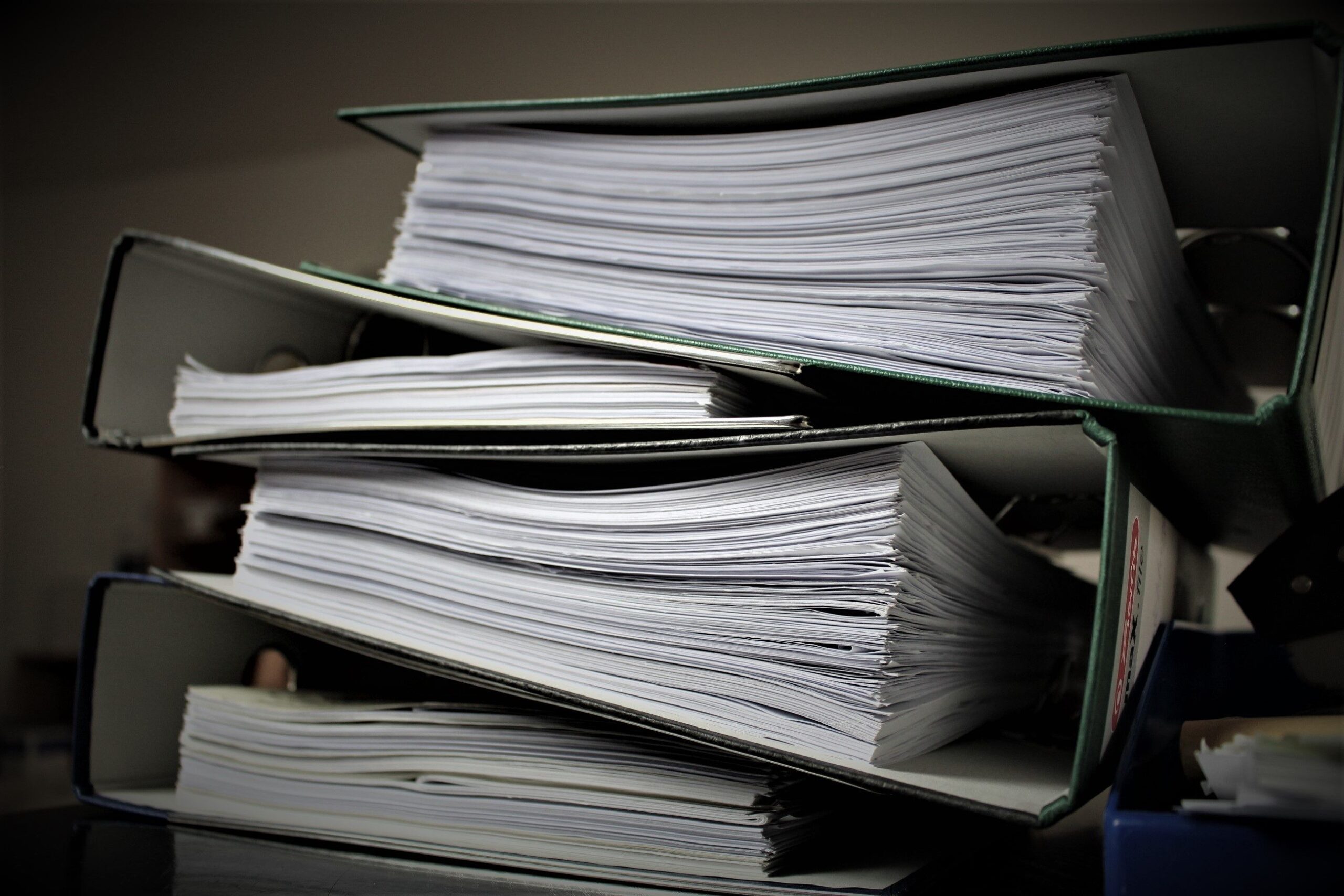

What Documents Should Every Family Keep?
Every family should organize important documents before an emergency happens. Proper recordkeeping saves time, reduces stress, and protects your loved ones during unexpected situations. Moreover, having complete documents ensures faster access to financial benefits, healthcare services, and legal processes.
Whether you are starting a family or planning for the future, this checklist will help you stay prepared.
Why Every Family Needs Organized Important Documents

Life can change without warning. Therefore, keeping essential documents in one secure location makes a significant difference. Family members can quickly access critical information during medical emergencies, financial transactions, or estate settlements.
In addition, organized records reduce delays when processing insurance claims, applying for loans, or transferring property ownership.
Personal Identification Documents
Every family member should have updated identification documents. These records verify identity and support various legal transactions.
Include the following:
- Birth certificates
- Marriage certificate
- Valid government-issued IDs
- Passports
- Driver’s licenses
- Social Security or government identification numbers
- Citizenship or naturalization documents, if applicable
Store both physical and digital copies for easier access. However, protect digital files with strong passwords and secure cloud storage.
Financial Documents

Financial records provide a clear picture of your family’s assets and obligations. Consequently, they help family members manage finances if someone becomes unavailable.
Keep these documents updated:
- Bank account information
- Credit card records
- Loan agreements
- Mortgage documents
- Investment statements
- Retirement account information
- Tax returns
- Income records
- Emergency savings account details
Review these records at least once every year. Furthermore, remove outdated documents when they are no longer needed.
Insurance Policies

Insurance protects your family’s financial future. Therefore, every policy should remain accessible to trusted family members.
Important insurance documents include:
- Life insurance policies
- Health insurance information
- Accident insurance
- Homeowners or renters insurance
- Vehicle insurance
- Disability insurance
Additionally, keep policy numbers, contact information, and beneficiary details together.
Property and Asset Documents
Property ownership records prevent future disputes. They also simplify inheritance and legal transfers.
Your family should organize:
- Land titles
- Property deeds
- Vehicle registration papers
- Vehicle titles
- Purchase receipts for valuable assets
- Home improvement records
- Warranty certificates
Keep original copies inside a fireproof and waterproof storage box whenever possible.
Medical Records

Medical information becomes valuable during emergencies. As a result, healthcare providers can make informed decisions more quickly.
Maintain updated copies of:
- Medical history
- Vaccination records
- Prescription lists
- Allergy information
- Blood type records
- Recent laboratory results
- Health insurance cards
Likewise, include emergency contact information with these records.
Legal Documents Every Family Should Prepare
Legal documents protect your wishes and reduce confusion. Therefore, preparing them early is always a wise decision.
Consider keeping:
- Last Will and Testament
- Living Will
- Durable Power of Attorney
- Healthcare Power of Attorney
- Trust documents, if applicable
- Guardianship documents for minor children
Review these documents regularly because family circumstances often change.
Digital Assets and Online Accounts
Modern families own many digital assets. However, these accounts are often forgotten during emergencies.
Create a secure record containing:
- Password manager access instructions
- Email account information
- Online banking accounts
- Digital investment platforms
- Cryptocurrency wallet information
- Social media account instructions
- Cloud storage access
Never write passwords openly. Instead, store them inside a trusted password manager and provide emergency access instructions.
Emergency Contact Information
Every household should maintain a current emergency contact list.
Include:
- Immediate family members
- Family physician
- Hospitals
- Lawyers
- Financial advisors
- Insurance agents
- Funeral service providers
- Trusted neighbors
Update this list whenever phone numbers or addresses change.
Final Thoughts
Preparing your family’s important documents is one of the simplest ways to protect your future. Organized records reduce stress, support faster decision-making, and ensure your loved ones can manage important responsibilities when needed.
A complete document file includes identification records, financial information, insurance policies, medical records, legal documents, property ownership papers, and digital account details. By reviewing and updating these records regularly, your family stays prepared for both everyday needs and unexpected events.
For even greater peace of mind, consider complementing your document preparation with long-term financial and memorial planning. Golden Future Life Plans offers life and memorial planning solutions designed to help families prepare ahead, reduce future financial burdens, and protect their loved ones with confidence. Planning today creates security and reassurance for tomorrow.

